Composite Hose
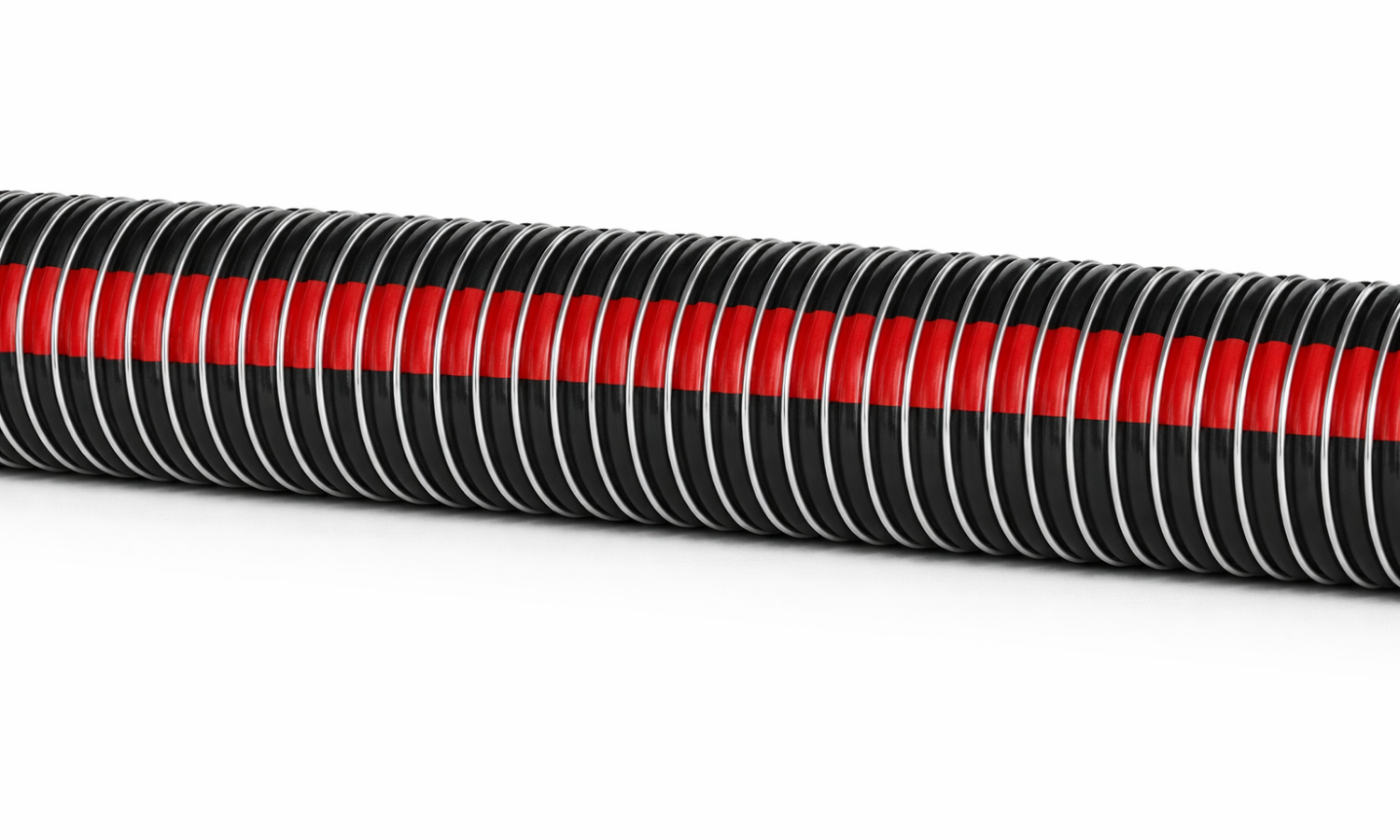
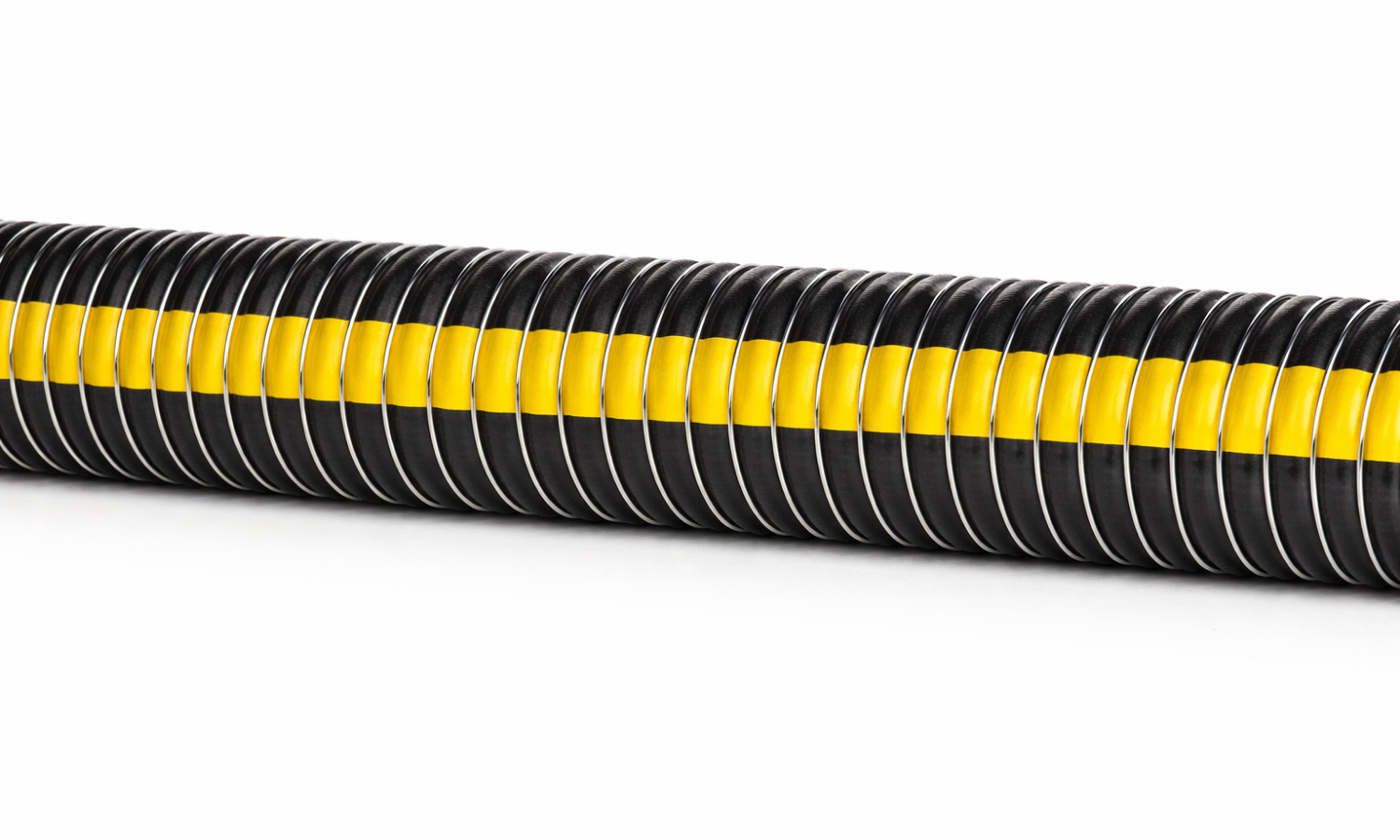
Aury Africa’s composite hoses are purpose-built for transferring fuels, chemicals, solvents, oils, and vapours in high-risk, high-flexibility environments. Constructed from multiple layers of thermoplastic film, reinforced with wire helixes, and encapsulated in protective outer coatings, these hoses offer exceptional flexibility, chemical resistance, and safety.
Ideal for static or dynamic installations, composite hoses deliver superior performance where traditional rubber or PVC hoses may fail.
What Is Composite Hose
Composite hoses are engineered using a combination of fabric, polymer films, and inner/outer wire helixes, giving them a lightweight, crush-resistant structure with excellent internal chemical compatibility. Unlike traditional hoses, they do not delaminate under pressure and are non-kinking even in tight bends making them ideal for confined spaces or mobile applications.
Available for a wide range of duties
-
Petroleum transfer
-
Chemical loading/unloading
-
Tank truck and barge use
-
Vapour recovery
-
Solvent or acid handling
Hoses are supplied with custom end fittings such as Camlocks, flanges, or threaded adaptors, depending on your application.
Applications
-
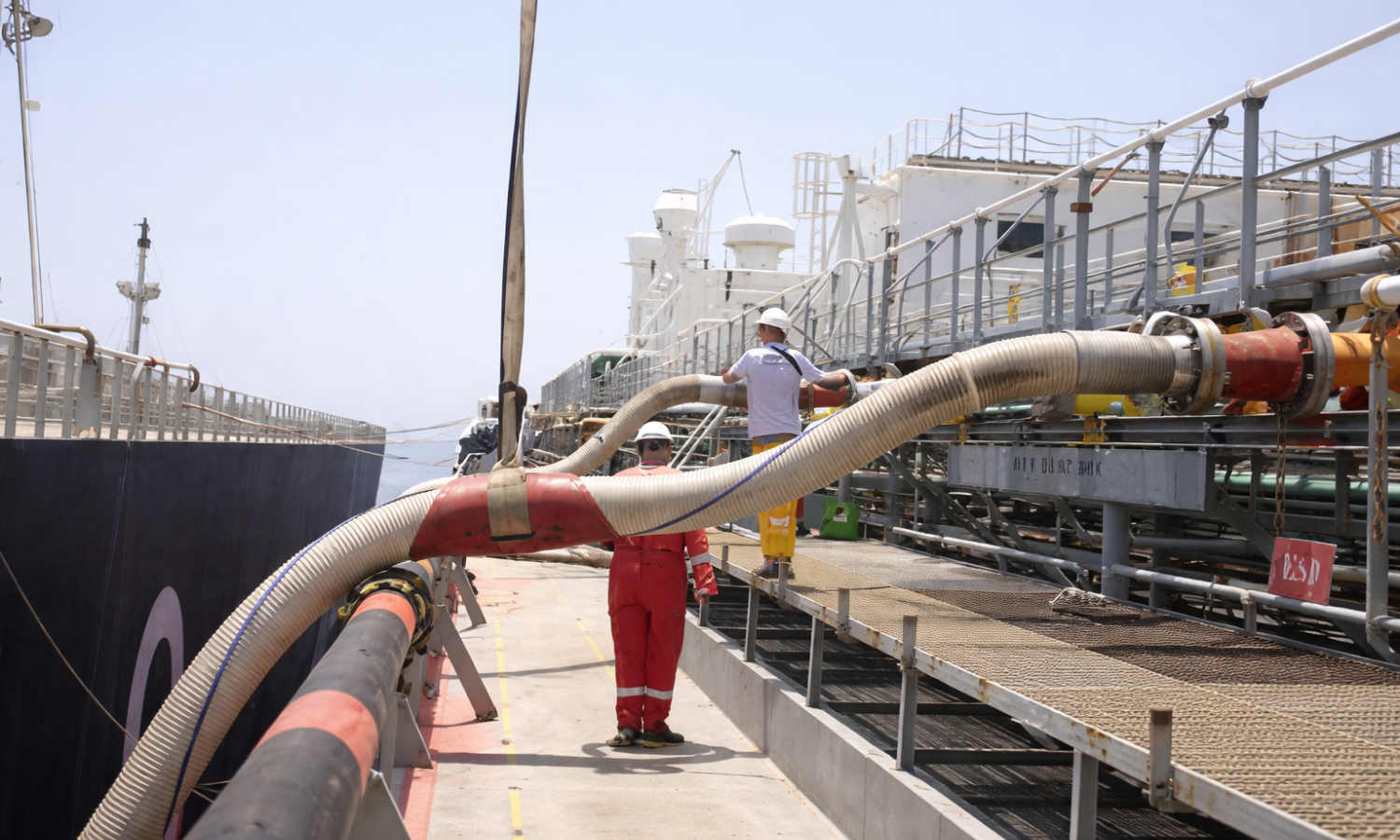
Tanker loading and offloading
-
Fuel and chemical delivery trucks
-
Bulk transfer at chemical plants
-
Refineries, depots, and blending stations
-
Ship-to-shore or barge operations
-
Vapour recovery and emission control
Key Features
- Available in 1” to 6” diameter (larger on request)
- Suitable for static or mobile transfer systems
- Fully tested to pressure and vacuum standards
- Wire helix options: galvanized steel, stainless steel, polypropylene
- Optional anti-static and fire-resistant construction
Built for Safety & Compliance
-
Aury composite hoses are manufactured to comply with international standards (e.g. EN13765 / EN13766), ensuring traceability, chemical compatibility, and operator safety. Each hose can be tested and certified before dispatch for pressure integrity, continuity, and end fitting reliability.