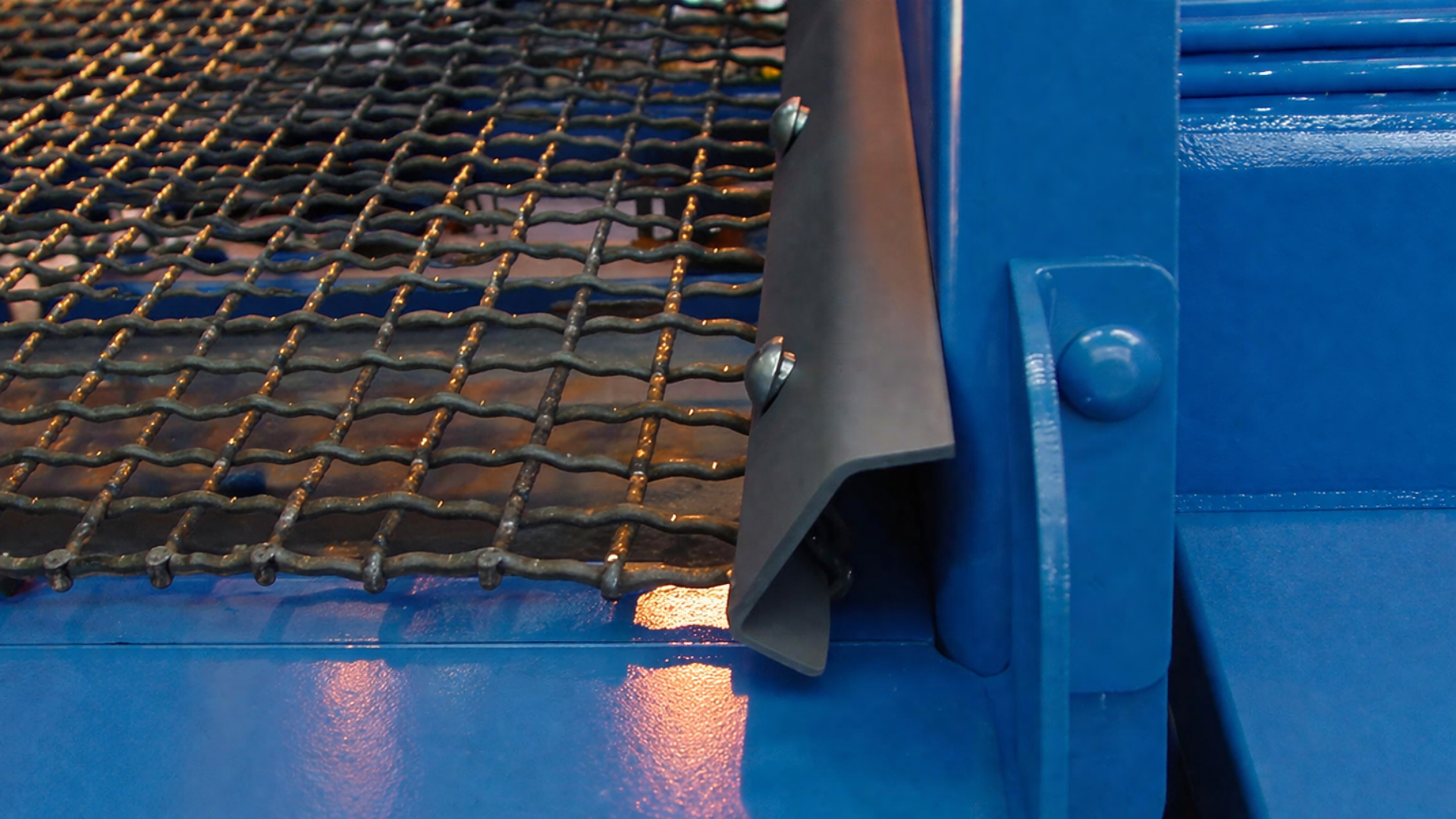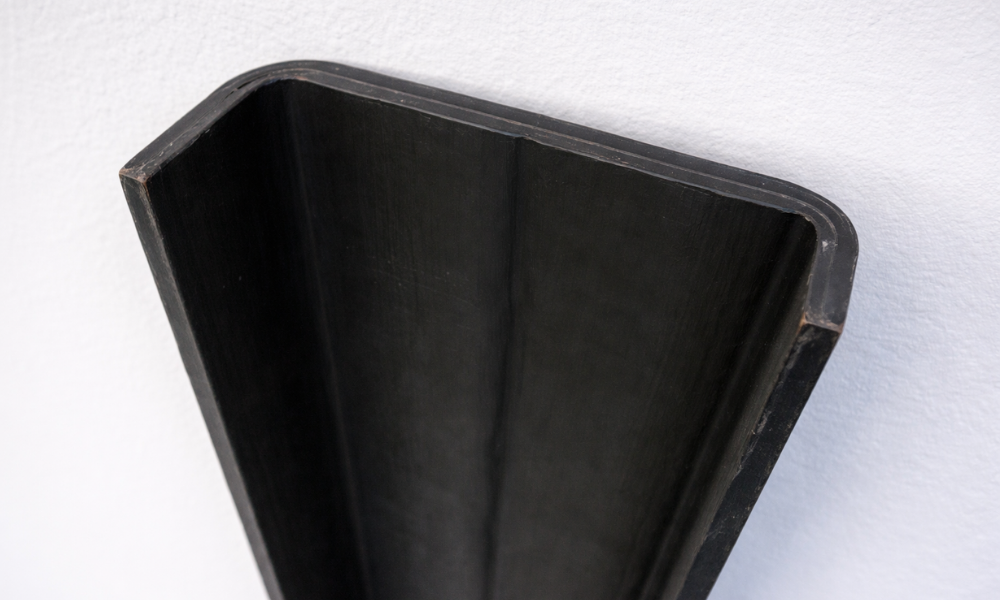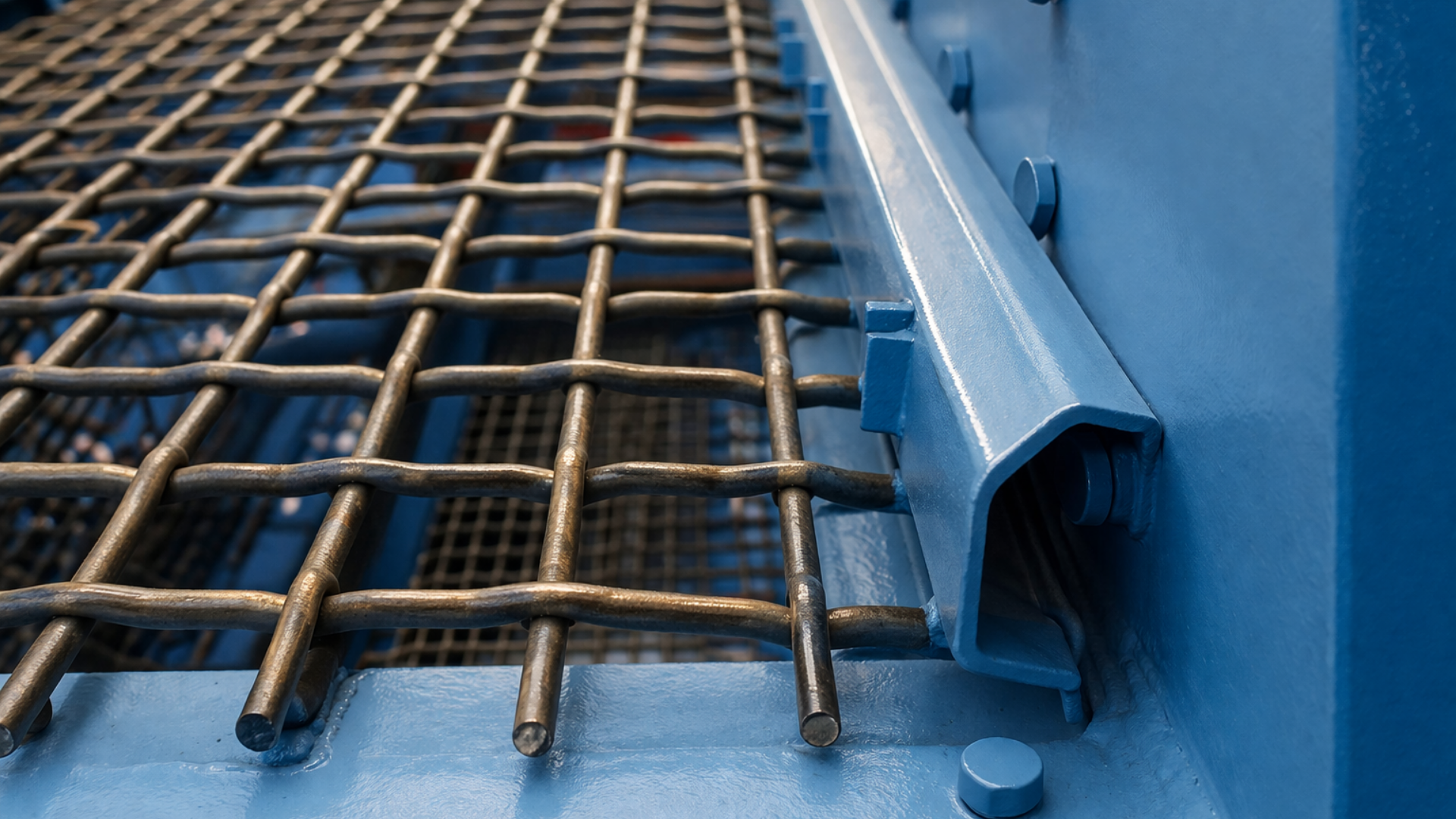
Clamping plates
Clamping plates are critical to securing screen panels in vibrating equipment. They provide even pressure along the screen’s hooked edges, ensuring stability, proper tensioning, and safe operation under high vibration and load conditions.
Superior Design & Performance
Our continuous slot design allows for greater open area and faster material flow, improving screening accuracy and throughput. The panels are lightweight yet exceptionally durable, providing a cost-effective alternative to traditional screening surfaces.
What Clamping Plates Do
- Secure screen panels in place under tension
- Distribute holding force evenly across the hook edge
- Prevent screen movement or vibration fatigue
- Protect the screen media from damage by offering a smooth, rigid support surface
- Extend the life of screen cloths and support structure
Typical Applications
Clamping plates are used on:
-
Side-tensioned vibrating screens
-
Modular panel decks (PU, wire, or perforated plate)
-
Top and middle deck screens in mining and processing plants
-
High-vibration or heavy-impact screening environments
Key Characteristics of High-Quality Clamping Plates
-
Flat and rigid construction for uniform pressure distribution
-
Made from high-strength steel or polyurethane-coated steel for wear resistance
-
Corrosion protection (galvanized or painted surfaces) for long-term use
-
Chamfered or rounded edges to prevent cutting or tearing of screen hooks
-
Precision-drilled bolt holes for accurate fitment and alignment
Best Practices for Clamping Plate Installation
-
Inspect the plate surface for wear, warping, or debris before installation. A bent or dirty clamp can apply uneven force and damage screen hooks.
-
Ensure full contact with the screen’s hook edge across the entire length. Gaps or misalignment may cause localized stress and early failure.
-
Use new bolts and washers when possible. Old or stretched bolts can compromise clamping pressure and lead to panel movement.
-
Tighten bolts in a cross-pattern to apply even pressure across the screen panel.
-
Pair with noising rubber or neoprene buffer strips between the clamp and the screen hook to dampen vibration, prevent wear, and reduce noise